
Loading...
Serving Gilroy, CA and surrounding areas. (669) 345-1108
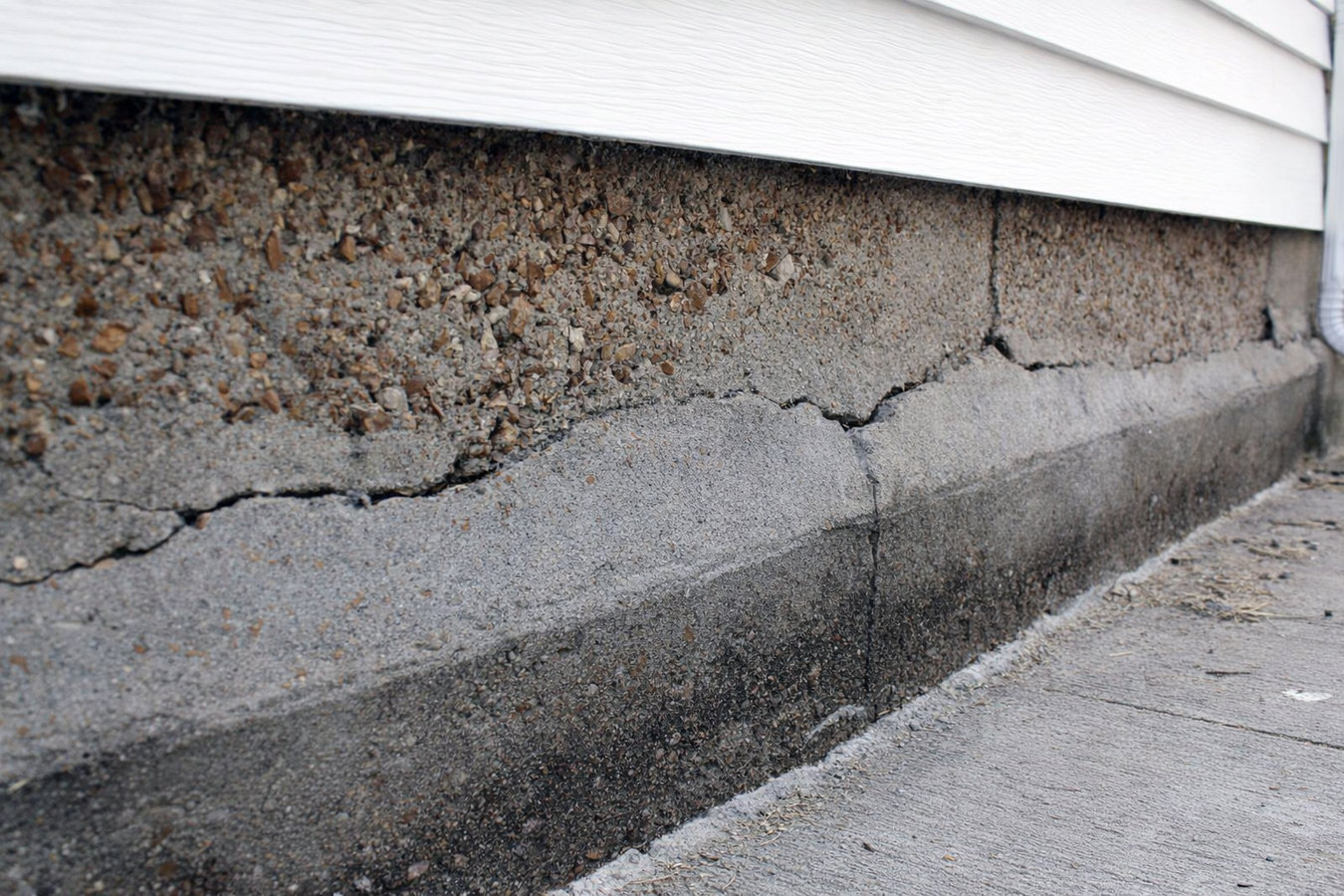
Sunken slabs in Gilroy homes are usually caused by clay soil shifting beneath the concrete. We lift them back to level using proven methods, give you a written estimate first, and handle any required city permits.
Foundation raising in Gilroy lifts a sunken or uneven concrete slab back to its original level by pumping material beneath it to fill the void and push the concrete up - most residential jobs are completed in a single day, and the area is ready to use within hours to a couple of days depending on which method is used.
If you have noticed uneven floors, sticking doors, or gaps between your baseboards and the floor, the slab beneath you has likely shifted - and in Gilroy, the cause is usually the clay soil that sits under most of the Santa Clara Valley. Clay swells when it rains and shrinks back down in the summer heat, and that cycle quietly pushes concrete out of position over years. Foundation raising addresses that without the cost and disruption of tearing out and replacing the entire slab. Many Gilroy homeowners find it worthwhile to combine this work with slab foundation building when part of the structure needs lifting and another part needs a fresh pour.
Before we recommend a method, we walk the slab with a level, look at your drainage, and tell you honestly whether raising is the right fix or whether replacement makes more sense for your situation. You will have a written estimate in hand before any work begins.
Walk slowly through your home and pay attention to whether the floor feels like it tilts in certain spots. In Gilroy homes built on clay soil, this kind of gradual slope often develops over years as the ground beneath the slab quietly shifts. You might notice it when you roll something across the floor or when furniture seems to lean slightly to one side.
When a foundation drops, the frame of your home moves with it, and that movement shows up first in your doors and windows. If a door that used to swing freely now drags on the floor, or a window that opened easily now sticks, the frame may have shifted because the slab beneath settled. This is one of the earliest and most reliable signs that something is happening below the surface.
Look along the bottom of your interior walls where they meet the floor. A gap that was not there before - or that seems to be growing - suggests the slab has moved away from the wall framing. In Gilroy, this kind of gap often appears after a dry summer when the clay soil has contracted significantly beneath the foundation.
Cracks in your patio, driveway, or garage floor where one side sits higher than the other are a specific warning sign. That height difference means the two sections have moved independently, which points to soil movement underneath. Given Gilroy's clay-heavy soil and seasonal dry spells, this kind of cracking is worth having a professional assess rather than simply sealing over.
We offer both mudjacking and polyurethane foam injection for residential foundation and slab lifting in Gilroy. Mudjacking pumps a cement-and-soil slurry beneath the slab to fill the void and push the concrete up - it is cost-effective for larger areas and works well when the soil underneath needs a solid, heavy fill. Foam injection uses an expanding polyurethane material that cures within hours and is lighter than mudjacking grout, making it a strong option for areas where weight matters or you need to use the surface quickly. If your project involves both lifting and a new concrete section, we can coordinate foundation raising alongside concrete cutting to remove and replace sections that are too deteriorated to lift.
Beyond the lifting itself, we look at what caused the sinking. In most Gilroy cases, drainage is part of the story - water that collects against the foundation repeatedly saturates and then dries the clay soil in the same spot, creating the void that let the slab drop. We will tell you whether improving your drainage would help the repair last longer, and we can refer you to a grading or drainage specialist if that work is outside our scope. Every job ends with a level check, patched holes, and a clear explanation of what to watch for going forward.
Suits homeowners with larger sunken areas - driveways, garage floors, or walkways - where a cost-effective and durable fill material is the priority.
Suits homeowners who need same-day access to the surface, have a smaller or more precise lifting area, or want a lightweight fill that adds minimal pressure to the soil below.
Suits homeowners who want to understand what caused the sinking before committing to a repair method, especially in Gilroy neighborhoods with known clay soil issues.
Suits homeowners with a mix of liftable slabs and sections too deteriorated to raise, where the right approach combines lifting and new concrete in one coordinated scope.
Gilroy sits at the southern end of the Santa Clara Valley, where the soil contains a high proportion of clay. That clay swells every wet season and contracts every summer, and that repeated movement is the number one reason slabs sink in this area. A contractor coming from a region with sandy or stable soil may not fully account for how aggressively the soil here moves - which means a job that looks fine on day one can start to settle again within a couple of years if the repair was not planned with local conditions in mind. Homeowners in Morgan Hill and the neighborhoods around Hollister face the same clay soil conditions, and we see consistent patterns across the region regardless of the specific neighborhood.
California has also swung between multi-year droughts and intense rain seasons in recent years, and Gilroy feels both extremes. During drought, the clay under your foundation dries out and contracts, creating voids that let the slab drop. When heavy rain follows, water can rush into those voids unevenly, shifting the concrete further. Gilroy is also near the Calaveras Fault, and seismic activity can shift soil and crack or displace foundation slabs in ways that are not always obvious from the surface. We look at the full picture - soil, drainage, and seismic history - before we recommend a method, because the lifting material that holds best in this area is the one matched to what actually caused the problem.
Call or message us and describe what you are seeing - uneven floors, sticking doors, a sunken patio. We will schedule an on-site visit, typically within one business day, and you do not need to prepare anything for the call.
We walk the affected area, check the slab with a level, and look at your drainage to understand what caused the sinking. This visit is free - we give you a straight assessment before recommending anything, and you leave knowing what we found.
You receive a written estimate covering what will be done, which method we recommend, and the total cost - including any permit fees if the City of Gilroy requires one. No verbal-only quotes. No signing before you have it in writing.
On the day of the job, we drill small holes, inject the lifting material, monitor the slab as it rises, and patch the holes. Before we leave, we show you the level reading on the finished slab and walk you through what to watch for going forward.
Free on-site estimate, written quote before any work starts, and no pressure to commit on the day of the visit.
(669) 345-1108Gilroy and the surrounding valley sit on some of the most expansive clay soil in the region, and we account for that in every lifting job we take on. We recommend depths, methods, and drainage improvements based on what the soil in this specific area does - not on a standard spec that was written for a different climate.
We work across 12 communities from Gilroy to Cupertino, which means we have seen how the same clay-soil problem plays out in different neighborhoods, different housing eras, and different drainage situations. That range of experience makes us better at diagnosing what is happening on your specific property.
Every job gets a written estimate before work starts. The number you see on paper is the number on your invoice. If something changes during the job - an unexpected soil condition, a larger void than expected - we tell you before we proceed, not after.
When the City of Gilroy requires a permit for foundation work, we handle the application. You should not have to figure out which forms to file or which division to call. The California Contractors State License Board requires licensed contractors to follow local permit requirements - and we do.
Foundation raising is not a job where cutting corners saves money - a lift that holds for six months and then sinks again costs far more than one done right the first time. We have built our work in Gilroy around that standard.
For additional guidance on seismic factors affecting foundations in this region, the California Geological Survey publishes soil and fault hazard maps for communities across California, including the Gilroy and Santa Clara Valley area.
Remove damaged or sunken slab sections with precision diamond-blade cuts before patching or lifting work begins.
Learn morePour a new concrete slab foundation for an addition, ADU, or detached structure on your Gilroy property.
Learn moreGilroy's clay soil moves every season - the sooner a sunken slab is lifted, the less damage accumulates to the structure above it. Call or submit a form and we will be in touch within one business day.