
Loading...
Serving Gilroy, CA and surrounding areas. (669) 345-1108
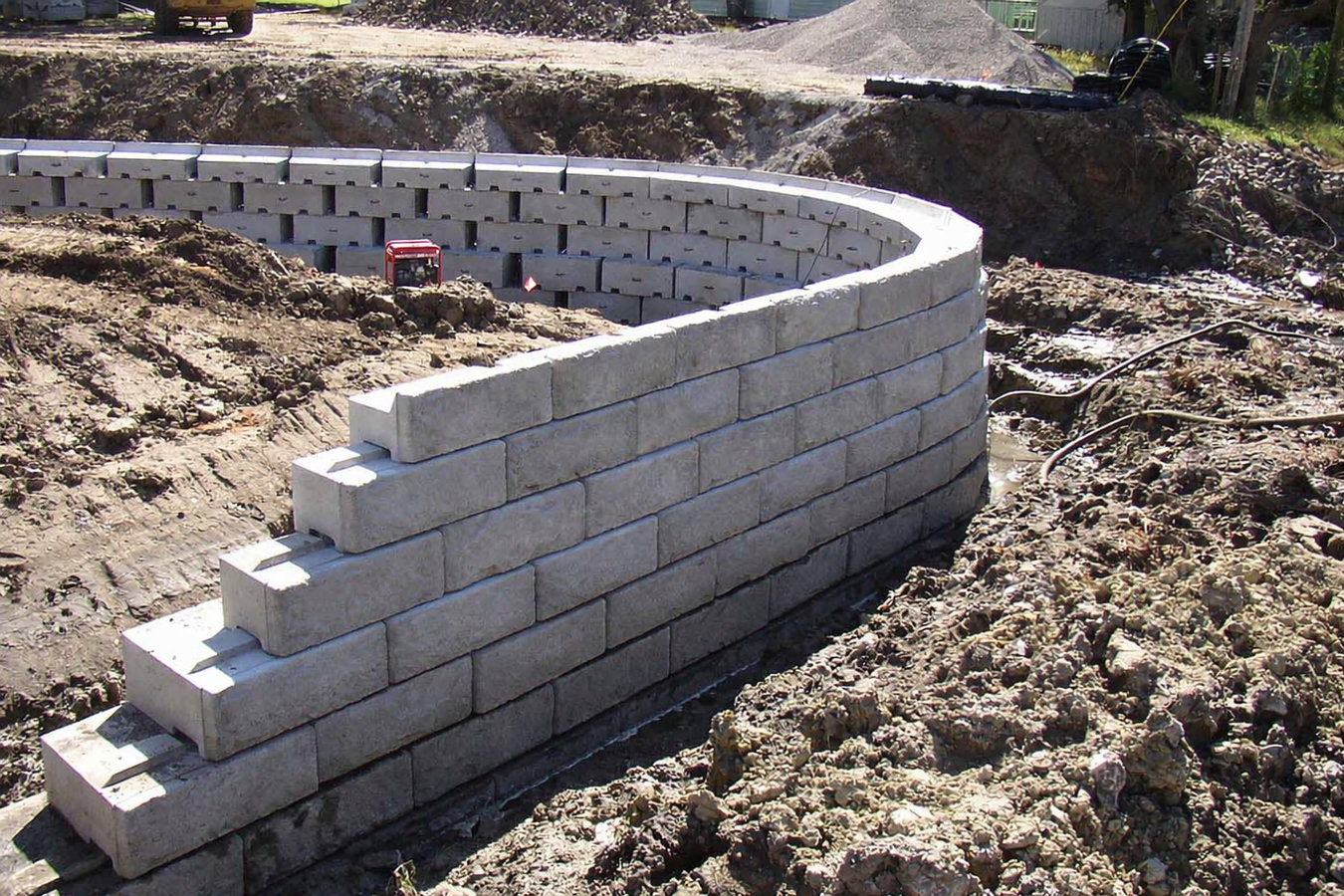
Gilroy clay soil shifts every season. We build retaining walls with the drainage and footings that keep yours standing for decades.
Concrete retaining walls in Gilroy hold back sloped or unstable soil so your yard stays where you put it - most jobs take two to five days to build, plus a week of curing time before backfill.
If your property has a slope, a tiered yard, or soil that creeps toward the house each rainy season, a concrete retaining wall is the permanent fix. Gilroy sits on expansive clay soil that swells in winter and shrinks in summer, and that constant movement is hard on any wall that was not designed for it. That is why drainage behind the wall matters just as much as the concrete itself.
We also build concrete floor installations for homeowners who want to tackle multiple concrete projects at once and save on mobilization costs.
If rainwater flows toward your foundation instead of away from it, or if soil seems to creep downhill over time, a retaining wall may be the right fix. In Gilroy, clay-heavy soil expands and contracts with the wet and dry seasons, and that gradual movement gets worse each year if nothing is done.
A retaining wall that tilts forward or shows horizontal cracks along its length is under more pressure than it can handle. This is especially common in older Gilroy hillside neighborhoods where walls built in the 1980s and 1990s were not designed with current drainage or seismic standards. Do not wait on this one - a failing wall can collapse without much warning.
If your garden beds or sloped areas wash out every time it rains and you are constantly re-mulching the same spots, the soil is not being held in place. Gilroy's wet winters, typically November through March, can move a surprising amount of soil on even a modest slope. A properly built retaining wall stops that cycle for good.
Standing water near your home after a rainstorm means the yard grade is not directing water away correctly. In Gilroy, where the rainy season can bring several inches in a short period, that pooling can work its way into a crawl space or slab over time. A retaining wall combined with proper grading redirects water before it becomes a much more expensive problem.
Every retaining wall project starts with a site visit to look at the slope, the soil, and the drainage situation before we give you a number. For poured concrete walls, we set forms, place steel reinforcement, pour the concrete, and pack gravel and drainage pipe behind the wall as it goes up. For concrete block walls, we lay each course with mortar and fill the cores with concrete for strength. Either way, drainage is built in from the start - not added as an afterthought.
Walls over 4 feet tall require a City of Gilroy permit and an engineer-reviewed design - we handle both. We also build concrete footings for structures that need a solid underground base, and our concrete floor installation team can tackle any flatwork your project requires at the same time.
Best for homeowners who want a smooth, continuous wall face and maximum strength on steeper slopes or where soil pressure is high.
A good fit for tiered garden areas and moderate slopes where a natural, textured look blends better with the landscape.
Required by Gilroy code for walls over 4 feet tall, and the right choice for seismic zones or unusually heavy soil loads near the Calaveras Fault.
Suits homeowners in HOA neighborhoods who need a wall that meets design standards or matches existing exterior finishes and stonework.
Gilroy sits on the Santa Clara Valley floor, where clay soils dominate much of the ground beneath residential properties. That clay swells when the rainy season arrives - typically November through March - and contracts during the hot, dry summer. A wall that was not engineered with that movement in mind will develop cracks and lean within just a few years. Many of the hillside subdivisions on Gilroy's eastern and southern edges were graded during development in the 1990s and early 2000s, leaving steep lot lines that frequently need retaining walls to stay stable. If your home was built on one of those graded lots, the original walls may be reaching the end of their useful life.
Gilroy is also in a seismic zone near the Calaveras Fault, which means walls over a certain height are required by California building code to be designed for lateral loads from ground movement - not just everyday soil pressure. We serve homeowners throughout the area, including Morgan Hill and Hollister, where similar clay soil and hillside grading conditions apply. The permit and engineering requirements are the same across the South Bay, and we handle all of it on your behalf.
Tell us the slope, the rough length, and whether any existing wall is already leaning or cracking. We respond within one business day and schedule a free on-site visit to look at the slope, soil, and drainage situation before giving you a price.
During the visit we measure the area, assess the soil, and determine whether your wall height requires a permit or an engineer-reviewed design. You receive a written estimate that covers labor, materials, drainage, and permit fees - no line items added later.
The crew digs to the depth needed for a solid footing below the frost line, compacts the base, and calls 811 before any digging to locate underground utilities. This is the noisiest part of the job - plan for equipment and some soil being moved around.
Concrete is poured or block is laid with gravel and a drain pipe packed behind it as the wall rises. After placement, the wall cures for seven to ten days before backfill goes in - we will wet it down during Gilroy summers to prevent surface cracking during that window.
Free on-site estimates. We handle permits, engineering review, and the full build. No surprise charges.
(669) 345-1108Every wall we build in Gilroy includes gravel backfill and a perforated drain pipe designed for the local clay-heavy soil. That drainage is what separates a wall that lasts 50 years from one that leans in five.
We complete retaining wall projects across Gilroy, Morgan Hill, Hollister, and nine other cities in the South Bay region. That depth of local experience means we understand how soil and grading conditions vary across the valley. You can verify our state contractor license any time through the California Contractors State License Board.
Walls over 4 feet tall in Gilroy require a city permit and an engineer stamp on the plans. We manage both - the application, the engineer review, and the city inspection - so the finished wall is fully on record and will not cause issues when you sell your home.
Gilroy experienced the 1989 Loma Prieta earthquake and sits near an active fault line. We build walls to California seismic code requirements, not just the everyday soil-pressure standard, because the ground here moves in ways it does not in most other parts of the country.
Every retaining wall we build in Gilroy is designed for the conditions that actually exist here - clay soil, seismic loads, and the city permit process. That is the difference between a wall that still looks good in 20 years and one you are calling someone to fix in five.
For permit requirements and seismic design standards, the City of Gilroy Building Division and the Federal Highway Administration retaining wall guidelines are useful references.
Replace or install a concrete floor in your garage, workshop, or ADU space in Gilroy.
Learn moreEngineered concrete footings for structures, fences, and walls that need a solid underground foundation.
Learn moreSpring and fall slots fill fast - call now to lock in your project before the rainy season arrives and slopes become a bigger problem.